
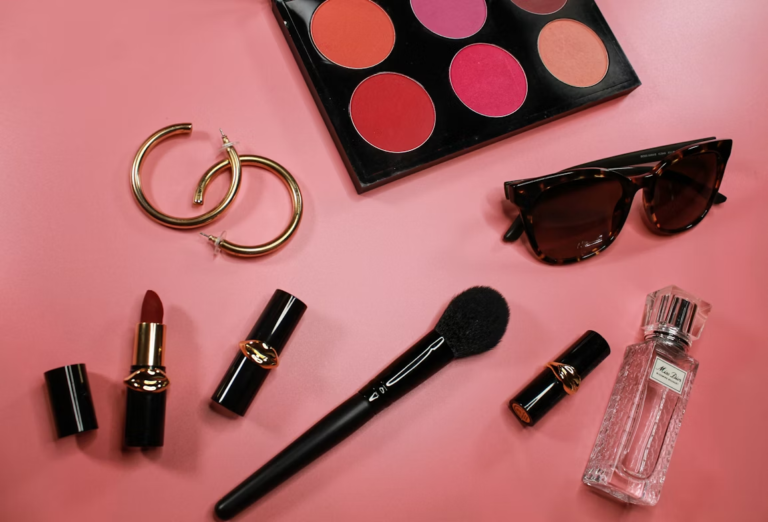
Modern beauty tools have significantly transformed personal care and grooming, shifting everyday routines from manual, traditional practices into technology-enhanced experiences. These innovations allow individuals to achieve more precise and efficient results in skincare and hair care. Digital platforms such as iShopChangi have further supported this shift by offering access to a wide range of advanced beauty devices, catering to consumers who seek convenience and innovation in their self-care routines. The evolution of beauty tools reflects a broader narrative of human ingenuity, where simple grooming instruments have developed into sophisticated, science-based devices.
Advancements in Beauty Technology
Contemporary beauty tools are defined by the integration of advanced scientific and engineering principles. Technologies such as microcurrent therapy, ultrasonic vibration, and LED light treatment have expanded the capabilities of at-home beauty devices, making professional-grade treatments more accessible.
Microcurrent Technology
Microcurrent devices utilise low-level electrical currents that closely resemble the body’s natural bioelectric signals. These currents stimulate facial muscles, encouraging toning and lifting effects. They are also associated with enhanced collagen and elastin production, which contribute to improved skin elasticity and a reduction in visible signs of ageing. Due to their non-invasive nature, microcurrent devices are widely used as an alternative to cosmetic procedures.
Ultrasonic Cleansing Devices
Ultrasonic skin scrubbers use high-frequency sound waves to deeply cleanse the skin. These vibrations help loosen dirt, oil, and dead skin cells from pores, allowing for more effective exfoliation. Additionally, they improve the absorption of skincare products by creating a cleaner skin surface. This technology is particularly valued for its gentle yet effective cleansing ability, making it suitable for various skin types.
Categories of Modern Beauty Tools
As the beauty industry has expanded, tools have been categorised based on their specific functions, addressing a wide range of skincare and hair care needs.
Facial Cleansing Brushes
Facial cleansing brushes are designed to enhance daily cleansing routines. Unlike manual washing, these devices use rotating or vibrating bristles to provide deeper exfoliation. They help remove impurities, excess oil, and dead skin cells, resulting in a smoother and more refreshed complexion.
Dermarollers and Microneedling Tools
Dermarollers have gained popularity in skincare due to their role in microneedling treatments. Equipped with fine needles, these tools create controlled micro-injuries on the skin’s surface. This process activates the body’s natural healing response, stimulating collagen and elastin production. Over time, dermarollers may help reduce the appearance of fine lines, acne scars, and uneven skin texture.
Hair Styling Devices
Hair styling tools have also undergone significant technological improvement. Straighteners, curling irons, and blow dryers now commonly feature ionic technology, ceramic coatings, and adjustable heat controls. These enhancements allow for more efficient styling while minimising heat damage, enabling users to achieve salon-quality results at home.
Smart Integration in Beauty Devices
The rise of smart technology has introduced a new level of personalisation in beauty care. Devices are now capable of collecting and analysing user data to provide customised recommendations.
App-Connected Beauty Tools
Some modern beauty devices connect to mobile applications, allowing users to track their routines and receive tailored guidance. These apps may offer usage instructions, monitor progress, and suggest personalised skincare routines based on individual needs. This integration enhances user engagement and ensures more consistent and informed beauty practices.
Skin Analysis Technology
Skin analyser devices provide detailed insights into skin conditions such as hydration levels, pigmentation, pore size, and elasticity. By interpreting this data, users can make informed decisions about their skincare routines and product choices. This analytical approach has made skincare more precise and evidence-based.
Sustainability in Beauty Tool Production
Sustainability has become an important focus within the beauty industry. Manufacturers are increasingly adopting eco-conscious practices, including the use of recyclable materials, energy-efficient components, and cruelty-free testing methods. These efforts reflect a growing awareness of environmental responsibility and a commitment to reducing the ecological footprint of beauty products. As consumers become more environmentally conscious, sustainable design continues to influence product development.
Future Directions of Beauty Technology
The future of beauty tools is expected to be shaped by rapid advancements in biotechnology, artificial intelligence, and material science. Devices are likely to become more intelligent, offering highly personalised solutions based on real-time skin and hair analysis. Artificial intelligence may play a central role in predicting skin needs and optimising treatment routines.
In addition, ongoing research into sustainable materials may lead to the development of more eco-friendly devices that maintain high performance while reducing environmental impact. The combination of personalisation and sustainability is expected to define the next generation of beauty innovations.
Safety Standards and Regulation
Despite rapid innovation, beauty tools remain subject to strict safety regulations. Manufacturers must comply with established guidelines that ensure devices are safe for consumer use. Before reaching the market, products undergo rigorous testing and certification processes to verify their effectiveness and safety standards. These regulations help maintain consumer trust and ensure that technological advancements do not compromise user well-being.
Conclusion
The evolution of beauty tools demonstrates a clear progression from simple grooming instruments to advanced technological devices that enhance personal care routines. Driven by innovation, science, and digital integration, these tools now offer more precise, efficient, and personalised solutions for skincare and hair care. As technology continues to advance, beauty tools are expected to become even more intelligent, sustainable, and accessible, further shaping the future of self-care practices.
