
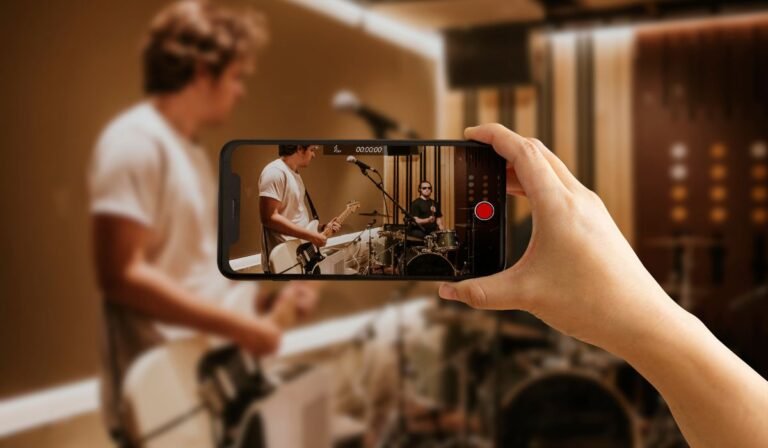
Mobile video has become the default way most people capture and share moments. Whether you’re documenting a family event, creating content for social media, or simply recording something worth remembering, your smartphone is likely your primary camera. Yet despite the incredible computational power packed into modern phones, one persistent challenge remains: keeping footage smooth and steady. Shaky video can undermine even the best content, turning potentially shareable moments into unwatchable clips. Understanding the role of stabilization in mobile filming and exploring the tools available, such as gimbals, can transform how you approach video creation.
The difference between amateur-looking footage and professional-quality video often comes down to one factor: stability. When your camera moves unpredictably, viewers become distracted by the motion rather than engaged with your content. This is why stabilization has evolved from a luxury feature into a fundamental requirement for anyone serious about mobile video production.
Understanding Video Stabilization Technology
Video stabilization works by compensating for unwanted camera movement. There are several approaches to this problem, each with distinct advantages and limitations. Software-based stabilization, built into most modern smartphones, analyzes footage frame by frame and applies digital corrections to smooth out jitter and minor tremors. This approach is convenient because it requires no additional equipment, but it comes with trade-offs: it can reduce your field of view, introduce slight distortion, and struggle with larger movements or rapid pans.
Hardware-based stabilization takes a different approach. Mechanical systems physically counteract camera movement in real time, allowing you to capture smooth footage without sacrificing image quality or field of view. These systems can handle more dramatic motion and environmental challenges, making them particularly valuable for action-oriented content or situations where you’re moving while filming.
The most effective stabilization solutions often combine both approaches. Modern smartphones already include optical and electronic stabilization, but pairing them with external stabilization equipment amplifies their effectiveness and gives you greater creative control over your footage.
The Real-World Impact Of Smooth Footage
Consider the difference between watching a travel vlog shot with shaky handheld footage versus one captured with proper stabilization. The stabilized version feels more immersive and professional, even if the content is identical. Viewers unconsciously respond to smooth motion as a marker of quality and intentionality. This matters whether you’re creating content for YouTube, TikTok, Instagram, or simply recording family memories you’ll want to revisit years from now.
Smooth footage also opens up creative possibilities. With stabilization, you can execute camera movements that would otherwise be impossible to perform smoothly by hand. Slow tracking shots, walking footage, and dynamic pans become achievable without expensive equipment or extensive post-production work. You gain the ability to tell stories more effectively because your technical execution becomes invisible to viewers, allowing them to focus on your narrative instead.
Beyond aesthetics, stabilization has practical benefits. It reduces the cognitive load on your audience. Shaky footage creates subtle visual stress that fatigues viewers and makes them more likely to stop watching. Smooth footage, by contrast, feels comfortable and encourages continued engagement. This principle applies whether you’re creating professional content or simply documenting personal moments.
Choosing The Right Stabilization Approach For Your Needs
Your stabilization strategy should depend on what you’re filming and how you plan to use the footage. If you’re primarily capturing quick social media clips and your phone’s built-in stabilization is sufficient, you may not need additional equipment. However, if you’re creating longer-form content, filming in challenging conditions, or working with faster movements, external stabilization becomes increasingly valuable.
Handheld stabilization devices offer portability and ease of use. They’re compact enough to fit in a bag or pocket, require minimal setup, and work immediately out of the box. This makes them ideal for travel, event coverage, or situations where you need to move quickly between shots. They’re also relatively affordable compared to larger cinema equipment, making them accessible to creators at any budget level.
The learning curve for most stabilization equipment is minimal. Modern devices are designed with user accessibility in mind, featuring intuitive controls and automatic tracking features that handle much of the technical work for you. This democratization of stabilization technology means that anyone with a smartphone can now achieve footage quality that previously required professional-grade equipment and technical expertise.
Practical Tips For Capturing Smooth Video
Even with stabilization equipment, technique matters. The way you hold your device, your body positioning, and your movement speed all influence the final result. When filming, try to move deliberately and smoothly rather than making sudden jerky motions. Slower, more intentional movements are easier for stabilization systems to track and compensate for.
Pay attention to your environment as well. Uneven surfaces, obstacles, and environmental factors can all affect your ability to maintain smooth footage. When possible, plan your shots in advance and scout your location. This allows you to identify the best paths for camera movement and anticipate potential challenges. Even a few minutes of planning can significantly improve your footage quality.
Lighting also plays a subtle role in stabilization effectiveness. Adequate lighting helps your device’s autofocus and tracking systems work more reliably, which indirectly supports smoother footage. When filming in low-light conditions, stabilization becomes even more important because any camera shake becomes more noticeable in the final video.
The Future Of Mobile Video Stabilization
Stabilization technology continues to evolve rapidly. Artificial intelligence is increasingly being integrated into both hardware and software solutions, enabling more sophisticated motion prediction and compensation. These advances promise even smoother footage with less manual intervention required from the creator.
As mobile video becomes increasingly central to how we communicate and share experiences, stabilization will likely become even more refined and accessible. The gap between professional and consumer-grade equipment continues to narrow, meaning that high-quality video production is becoming available to everyone with a smartphone and basic equipment.
Conclusion
Smooth video has transitioned from a nice-to-have feature to an expectation for any content worth watching. Whether you’re creating professional content, documenting important moments, or simply sharing your life with others, stabilization directly impacts how your audience receives and engages with your footage. By understanding the technology behind stabilization and choosing the right approach for your specific needs, you can dramatically improve your video quality without requiring extensive technical knowledge or expensive equipment. The tools and techniques available today make professional-quality video production more accessible than ever before.
