
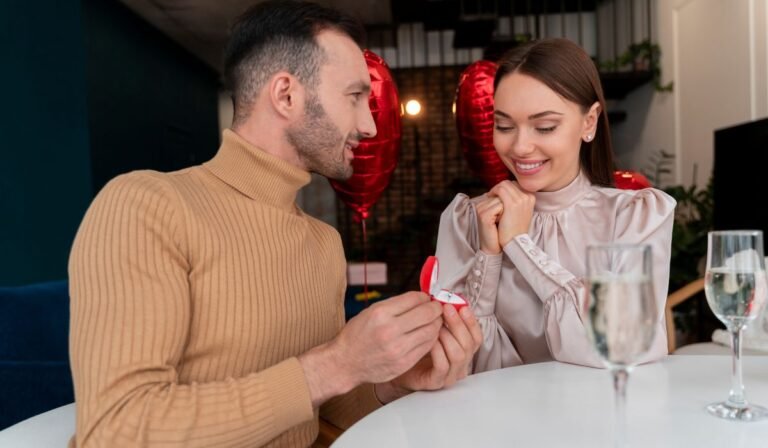
The usual complaints about dating apps stopped being background chatter sometime around 2024 and became the loudest conversation in the room. People grew tired of swiping through hundreds of profiles that led to 45 minutes of small talk over cold brew and nothing after. A Forbes Health survey of 1,000 Americans found that 78% of dating app users reported burnout, with 40% citing their inability to find a good connection as the primary source of exhaustion. Against this backdrop, sugar daddy relationships have moved from the margins into something closer to mainstream awareness, and the reasons extend well beyond what most people assume.
The Dating App Problem Nobody Solved
Conventional dating apps promised efficiency. They delivered volume. The distinction matters. Pew Research surveys found that 64% of male users felt anxiety over receiving too few messages, while 54% of women felt overwhelmed by too many. Neither condition produces a connection. Both produce fatigue.
Hinge’s 2024 report on Gen Z users revealed that 56% said fear of rejection had stopped them from pursuing potential relationships, even though 90% of the same group said they wanted to find love. The gap between intention and action points to something broken in the mechanics of modern dating. Swiping culture rewards quick judgments based on photos and brief bios, often discouraging vulnerability and deeper interaction.
Sugar arrangements operate on different terms. Expectations are often stated upfront, and both parties have a clearer sense of what the other is seeking before a first meeting. This reduces the guesswork that exhausts people on mainstream apps. A 2022 study by researcher Scull interviewed 48 women in sugar relationships and found that 25% cited companionship as a motivation, while 13% mentioned hope of finding love. These motivations often run parallel to traditional dating more than people expect.
Choosing What Connection Looks Like
The old dating script assumed everyone wanted the same thing: meet someone your age, follow a predictable timeline, and move through milestones in order. That assumption has gradually eroded. A 2022 Ipsos poll found that 39% of American adults have dated someone with an age gap of 10 or more years, and 60% consider such relationships socially acceptable. People are increasingly building connections that suit their lives rather than conforming to inherited templates.
Some seek platonic sugar daddy relationships where companionship and mentorship take priority over romance. A peer-reviewed study in The Journal of Sex Research noted that older partners in these arrangements were often motivated by genuine closeness and mentoring, while younger partners valued lifestyle involvement and emotional support.
Social Media Made It Ordinary
Villanova University’s CSE Institute reported that TikTok’s algorithm has actively promoted content related to sugar daddy lifestyles to users under thirty, increasing visibility. When younger users see these partnerships presented casually and without stigma, they begin to view them as one option among many rather than something taboo.
This visibility has had a noticeable impact. Sugar relationships no longer require explanation or justification in the way they once did. The secrecy that surrounded them for decades has faded.
The largest study on attitudes toward sugar relationships, published in Archives of Sexual Behavior in 2024, examined 69,924 participants across 87 countries. The researchers found that acceptance of sugar relationships correlated positively with the Human Development Index. Countries with higher development levels showed greater openness to these arrangements, challenging the assumption that sugar dating exists only under economic pressure.
What People Actually Want from These Arrangements
Research has identified four types of sugar babies based on motivation: traditional, pragmatic, mentorship-focused, and transactional. These categories suggest that people enter such arrangements for reasons as varied as those driving conventional relationships. Some seek companionship, others access to social networks, and some value guidance from someone with more life experience.
Both sugar babies and benefactors have reported that companionship and the dating aspect of their arrangements are important. Many describe their relationships as involving activities typical of traditional dating, such as dinners, travel, conversation, and shared interests. The emotional and social dimensions remain central.
Scull’s research found that 8% of women cited mentorship and access to social networks as motivations, while another 8% mentioned curiosity, boredom, or fun. These figures, while smaller, highlight the diversity of motivations behind these connections.
Age Gaps Lost Their Stigma
The acceptance of age-gap relationships has grown steadily. The 2022 Ipsos survey found that a large majority of Americans consider it socially acceptable for both men and women to date someone 10 or more years younger. This cultural openness creates room for sugar relationships to exist without the social stigma they once carried.
The Companionship Question
A peer-reviewed study in The Journal of Sex Research found that those in sugar relationships often prioritize emotional connection, companionship, and lifestyle involvement. Older partners were frequently motivated by mentoring and genuine closeness rather than the assumptions that dominate public perception.
This aligns with what platforms report about user behavior. People remain in these arrangements because they find specific types of connection that are harder to achieve elsewhere. The clarity of expectations plays a significant role, as both parties enter with an understanding of what they are seeking, reducing the ambiguity that often affects conventional dating.
Why the Trend Continues
Three decades ago, sugar relationships relied more on personal connections or chance encounters. The growth of sugaring websites in the late 2000s moved the networking aspect online, increasing visibility and accessibility. SugarDaddy.com now has over 5 million members worldwide, highlighting how widespread these arrangements have become.
Dating app burnout shows no sign of easing. Gen Z and Millennials continue to report the highest levels of fatigue, and these are also the age groups most active on sugar platforms. This overlap suggests that a portion of those dissatisfied with traditional dating will continue exploring alternatives that offer more clarity and structure.
Conclusion
Sugar daddy relationships have become more common not because they suddenly changed, but because the environment around them has shifted. Traditional dating has become more exhausting, less predictable, and often less effective at creating meaningful connections. As a result, people are increasingly exploring alternatives that offer clearer expectations and more intentional dynamics. What emerges from the research is not a single explanation, but a pattern. People are looking for connection, stability, and understanding, and they are more willing to step outside conventional frameworks to find it. Sugar arrangements provide one such framework, where both individuals enter with a shared awareness of what the relationship involves.
Ultimately, the growth of these relationships reflects a broader change in how people approach modern dating. It is less about rejecting traditional relationships and more about adapting to a system that no longer works for everyone.
