
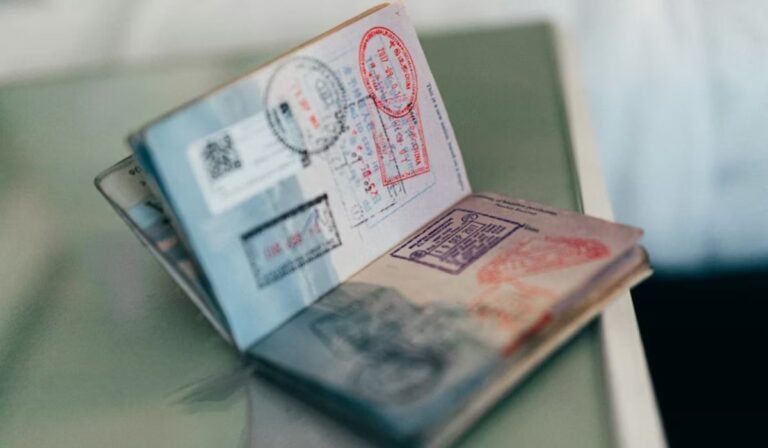
Moving to a new country? It’s one of those life-changing decisions that’s equal parts thrilling and nerve-wracking. Whether your passport’s getting stamped for a dream job, an educational adventure, or simply a chance to start fresh somewhere new, success really comes down to how well you prepare. The expatriates who hit the ground running aren’t necessarily luckier, they’re just better prepared. Those who struggle often overlooked seemingly small details that snowballed into major headaches.
Essential Legal Documentation and Certifications
Getting your legal paperwork squared away isn’t glamorous, but it’s absolutely non-negotiable before you board that plane. First things first: check your passport’s expiration date. Many countries won’t let you in unless you’ve got at least six months of validity remaining, and trust me, finding this out at check-in isn’t fun. Beyond your passport, here’s something many people overlook, driving regulations vary wildly from country to country. Your home driver’s license might work temporarily, but it often won’t cut it for long, term stays. Countless expatriates have learned the hard way that renting a car or getting local insurance becomes surprisingly complicated without proper documentation. If you’re planning to drive in your new country, understanding how to get an international driving permit ensures you’re legally covered from day one. Now, let’s talk about those other crucial documents, birth certificates, marriage certificates, diplomas, professional licenses. You’ll need certified copies, and depending on your destination, they might require notarization, apostille stamps, or official translations. These bureaucratic processes don’t happen overnight. Starting this documentation marathon at least three to six months before your move gives you breathing room when (not if) something takes longer than expected.
Financial Preparation and Banking Arrangements
Nothing derails an overseas move quite like financial chaos, so let’s get your money matters sorted before departure. Start by calling your current bank, some institutions will actually close your account once you’re no longer a resident, which could leave you in a serious bind. Ask about their policies for overseas account holders and what options you have. Meanwhile, research banking in your destination country.
Healthcare Coverage and Medical Records
Healthcare probably isn’t the first thing you’re excited about when planning your international adventure, but getting it wrong can turn into your biggest regret. Start by researching your destination country’s healthcare system. Does it offer public healthcare to new residents? Is there a waiting period before coverage kicks in? You might need international health insurance or an expatriate insurance plan to bridge the gap, or potentially for your entire stay, depending on local healthcare quality. Before you leave, schedule comprehensive checkups with your current doctors and dentist.
Housing and Accommodation Logistics
Finding the right place to call home in a foreign country ranks right up there with your most important pre-move tasks. Research neighborhoods thoroughly, but don’t just look at pretty pictures online. Consider practical factors: proximity to your workplace, public transportation access, safety ratings, and whether the area has amenities that matter to your lifestyle. Rental markets operate differently around the world.
Cultural Research and Language Preparation
About moving overseas: your technical preparation only gets you so far. Cultural adjustment and language skills profoundly impact whether you thrive or merely survive in your new country. Even basic proficiency in the local language opens doors. It’s not just about practical communication, although ordering food and navigating public transportation without panic certainly helps.
Career and Professional Considerations
If you’re moving for work, understanding your employment situation inside and out prevents nasty surprises down the road. First, verify that your work visa or permit actually covers everything you plan to do. Are there restrictions on changing employers? Can you take on additional work to supplement your income? These details matter. Next, review your employment contract with a fine-tooth comb, ideally with legal counsel familiar with labor laws in your destination country.
Emergency Planning and Support Networks
Nobody likes thinking about worst-case scenarios, but establishing emergency protocols before you move overseas provides crucial peace of mind. Start by registering with your home country’s embassy or consulate at your destination. This enables them to reach you during emergencies, natural disasters, or political instability, situations where you’ll want official assistance fast. Create a comprehensive emergency contact list: embassy information, local emergency service numbers, trusted friends or colleagues in your destination country, and family back home.
Conclusion
Successfully moving overseas isn’t about luck, it’s about methodical planning and smart preparation across every aspect of your life. By tackling legal documentation, financial arrangements, healthcare needs, housing logistics, cultural preparation, professional considerations, and emergency planning before departure, you’re setting yourself up for a smoother transition and richer international experience. Yes, the preparation takes time and effort, but consider it an investment that pays dividends through reduced stress, avoided complications, and faster integration into your new community. Moving overseas represents far more than just changing your address.
